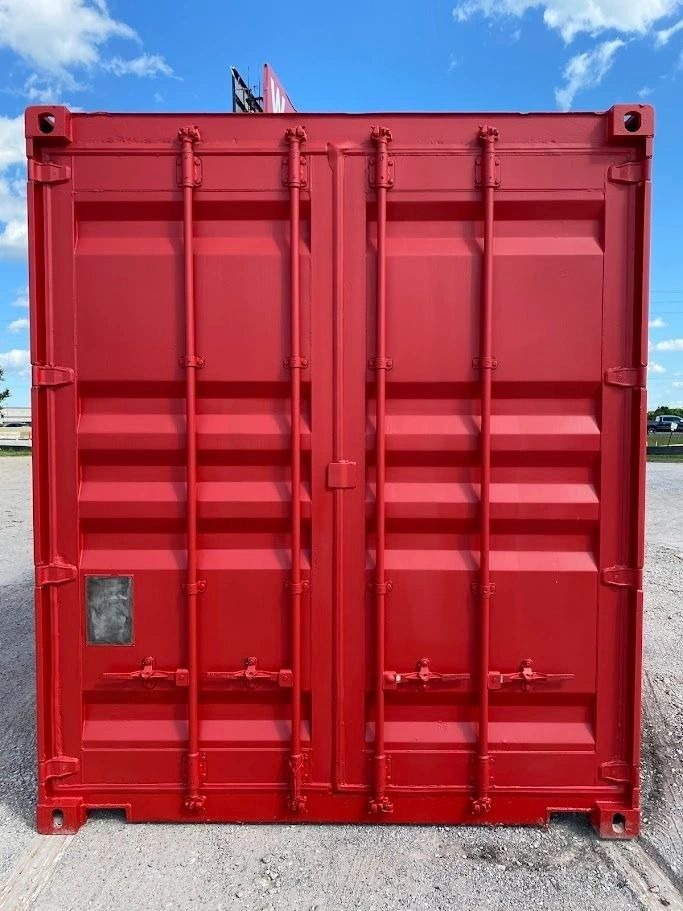
Understanding the 45ft Container: Dimensions, Uses, and Benefits
In contemporary logistics and shipping, container dimensions play an important function in determining how goods are transferred, stored, and managed. Among various container sizes, the 45ft container has actually gotten prominence due to its substantial volume capacity, providing an effective option for transporting a broad selection of items. This blog post explores the specifics of the 45ft container, analyzing its dimensions, benefits, normal uses, and other vital elements.
What is a 45ft Container?
A 45ft container is a shipping container designed to offer enhanced storage capacity compared to its 20ft and 40ft counterparts. 45 Ft Shipping Containers For Sale makes it ideal for different sectors, consisting of retail, production, and building. These containers are designed to assist in the transportation of both general cargo and specialized products that need particular handling conditions.
Dimensions of a 45ft Container
The general dimensions of a 45ft container are as follows:
| Specification | Imperial | Metric |
|---|---|---|
| Length | 45 feet (13.72 m) | 13.72 meters |
| Width | 8 feet (2.44 m) | 2.44 meters |
| Height | 9.5 feet (2.89 m) | 2.89 meters |
| Tare Weight | 4,500 pounds (2,041 kg) | 2,041 kg |
| Optimum Gross Weight | 67,200 lbs (30,000 kg) | 30,000 kg |
| Cubic Capacity | 3,040 cubic feet (86.2 cubic meters) | 86.2 m ³( |
Note: Dimensions can somewhat vary based on the producer and design of the container.)
Benefits of Using a 45ft Container
The choice of a 45ft container over others includes numerous benefits, particularly for businesses that need considerable storage options. Some key advantages include:
- Increased Capacity: The 45ft container offers extra area. Services with big volumes of cargo discover this beneficial, potentially minimizing shipping expenses per unit.
- Versatility: It appropriates for different kinds of cargo, consisting of heavy machinery, large amounts of retail items, and even temperature-sensitive items when set up appropriately.
- Cost-Effectiveness: Since shipping costs normally depend upon the volume of cargo, utilizing a 45ft container can reduce shipping costs, specifically for bulk consignments.
- Flexible Transport Options: The standard size of these containers makes it possible for compatibility with various shipping approaches, including sea, rail, and road transport.
- Stronger Security: Shipping containers are built from top quality steel, offering boosted security for valuable cargo.
- Reusability: Containers can often be reused for several deliveries, making them a sustainable option for environmentally conscious businesses.
Common Uses for 45ft Containers
The flexibility of 45ft containers allows them to be used throughout a range of industries and applications. A few of the common uses consist of:
- International Shipping: Ideal for organizations exporting items overseas, providing the extra area needed for bulk deliveries.
- Storage Solutions: Frequently used as storage units for building and construction websites, storage facilities, and retail operations.
- Home and Office Conversions: Some ingenious individuals repurpose containers into homes, offices, or pop-up retail spaces.
- Event Venues: Containers can be converted into distinct places for events such as concerts, festivals, or exhibitions.
- Refrigerated Storage: The inclusion of refrigeration units allows these containers to carry perishables effectively, making them best for the food industry.
The Impact of 45ft Containers on Global Trade
The usage of bigger containers, such as the 45ft variation, has profoundly impacted international trade. They facilitate more effective shipping logistics, contributing substantially to supply chain optimization. The economies of scale attained through carrying products in bigger quantities are important for services looking to maintain competitiveness in the worldwide marketplace.
Additionally, the growth of ports and infrastructure to accommodate bigger containers fosters economic development by enhancing trade capability. The ever-increasing demand for freight transportation continues to highlight the importance of containerization in around the world logistics.
FAQ about 45ft Containers
1. What can fit inside a 45ft container?
A 45ft container can hold approximately 29 basic pallets, 27 metric lots of cargo, or 3,040 cubic feet of products. It is perfect for transporting big equipment, bulk food items, clothing, and more.
2. How much does a 45ft container cost?
The cost of a 45ft container can range from ₤ 3,000 to ₤ 5,000, depending on condition (new or used), modifications, and the seller. Renting alternatives are also readily available, which can differ in cost based upon the rental duration and place.
3. Are 45ft containers long lasting?
Yes, 45ft containers are built from high-strength steel and are created to endure harsh ecological conditions, making them suitable for multi-modal transportation.
4. Can I personalize a 45ft container?
Yes, customization alternatives are available, consisting of including insulation, windows, and doors, along with transforming them into cooled systems or workplace.
5. How do I transport a 45ft container?
Transporting a 45ft container is generally done using flatbed trucks or by cranes for packing onto cargo ships at ports. The container must be handled by professionals to make sure security and compliance with guidelines.
The 45ft container works as a crucial possession in the shipping and logistics landscape. Its generous dimensions, coupled with several benefits, make it a favored choice for different markets. As worldwide trade continues to develop, the reliance on versatile and efficient shipping containers like the 45ft unit is most likely to grow, further sealing their value in helping with commerce across borders. By understanding the benefits and applications of these containers, businesses can make informed decisions that improve their functional effectiveness and eventually result in more efficient supply chains.